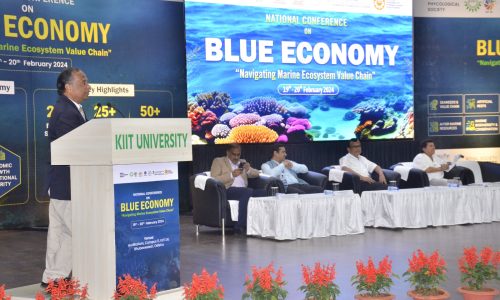
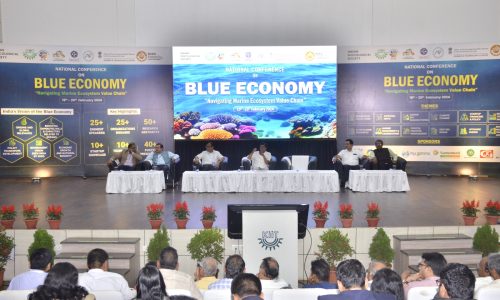
Blue Economy
Harnessing Science, Innovation & Sustainability for India's Marine Future
Date: 13th – 14th March 2026
Venue: Odisha State Convention Centre, Lok Seva Bhawan Bhubaneswar, Odisha
Student/Research Scholars: INR 1500
Startups/Foundation: INR 3000
Faculty/Scientist: INR 2000
Industry: INR 5000
International Participants: INR 10,000
Executive Summary
Building on the resounding success of the National Blue Economy Conference 2024 & International Conference on Blue Economy in 2025-which attracted over 700 national & International participants, released a White Paper draft, and catalyzed multi-stakeholder marine innovation-BCKIC is now elevating the initiative to the Global Blue Economy Summit 2026.
The 2026 Summit aims to position Odisha and India as global leaders in marine innovation, climate resilience, ocean-linked livelihoods, and sustainable blue growth. The Summit will integrate scientific leadership, policy frameworks, advanced marine technologies, industrial partnerships, Startups Engagment and community-centric development models, creating a global roadmap for Blue Economy 2.0.
Themes

Seaweeds & Value Chain

Maritime Security

Marine Bio-Manufacturing

AI for Marine Resources

Climate Change

Deep Sea Mining

Offshore Energy

Marine Pollution

Marine Biodiversity & Conservation

Coastal Disaster
Management

Marine Fisheries
& Mariculture

Marine Industries, Trade Technology & Services
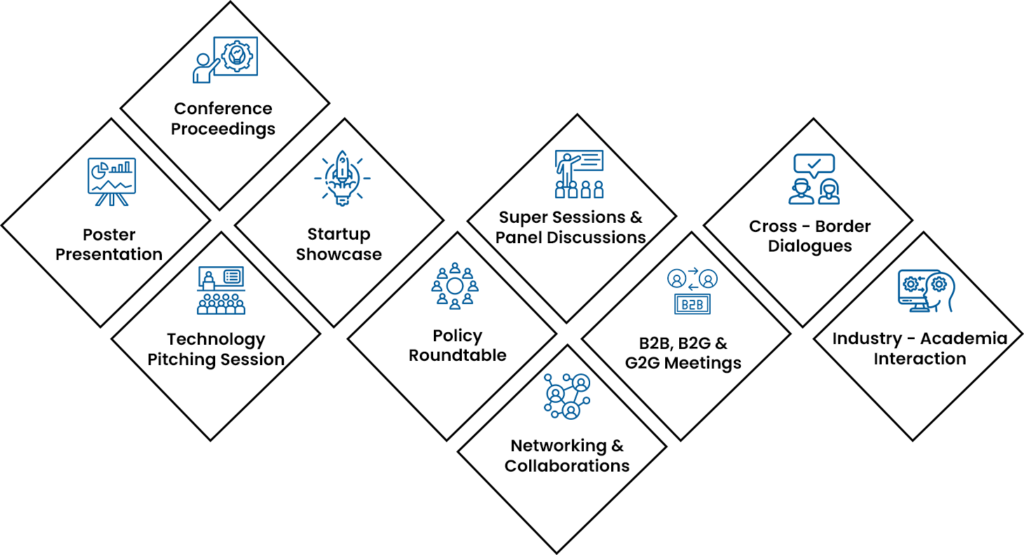
Key Highlights
Supported By
Participants' Profile
Govt. Ministries, Dept. & Policy Maker
International Delegates
Startups and Innovators
Industry & Corporate Leaders
Academicians & Researchers
Universities & Research Institutions
Investors & Funding Bodies
NGOs, SHGS & Coastal Communities
Layout of SUMMIT AGENDA
Day -1 (13th March 2026)
| Session | Theme | Highlights | Key Takeaways |
| Session-1 | India's Pathway to Blue Economy 2.0 |
1. Vision statements from the Government of India & Coastal States 2. Global leaders on ocean governance 3. Release of Summit Prospectus & Blue Economy White Paper (Draft-I1) |
1. National commitments to blue growth 2. Policy alignment across ministries 3. Framework for India's global ocean leadership |
| Session-2 | Science & Innovation for the Future Oceans |
1. Deep Ocean Mission updates 2. Al for ocean ecosystems 3. Marine biotechnology and biomanufacturing innovations |
1. Research priorities for 2025-2030 2. Technology deployment accelerators 3. New research clusters and joint labs |
| Session-3 | Blue Livelihoods, Communities & Climate Resilience |
1. Seaweed farming 2. Artificial reefs 3. Sustainable fisheries models 4. Coastal women entrepreneurs |
1. Replicable livelihood models 2. Climate adaptation frameworks 3. Stakeholder action plan for community programs |
| Session-4 | Industry & Corporate Leadership Forum |
1. Ports & shipping technology 2. Blue supply chains 3. Corporate sustainability and ESG for oceans |
1. Industry adoption roadmap 2. Carbon neutrality strategies 3. Public-private partnerships for ocean tech deployment |
| Session-5 | Startup Showcase - "Innovation for the Oceans" |
1. 10-15 curated startups 2. Underwater drones, aquaculture Al, biosensors, feed innovation 3. Market-ready product demonstrations |
1. Onboarding of startups for pilot deployment 2. Investment opportunities 3. Scaling pathways |

Day -2 (14th March 2026)
| Session | Theme | Highlights | Key Takeaways |
| Session-6 | Technology Pitching Arena | 1. 5-7 pitches evaluated by industry, academia & investors |
1. Direct industry linkages 2. Technology-to-market support 3. National innovation visibility |
| Session-7 | Research Symposium & Poster Presentations |
1. Extended abstract submission 2. Poster and paper awards 3. Student engagement |
1. New research collaborations 2. Identification of high-impact translational research projects |
| Session-8 | Policy Roundtable - Blue Economy Strategies |
1. Inter-ministerial dialogue 2. State-level strategies 3. Regulatory and financing frameworks |
1. Actionable recommendations 2. Policy harmonization 3. Launch of Action Groups |
| Session-9 | Global Cooperation Forum |
1. Technology exchange frameworks 2. Joint ocean missions 3. International student/fellowship pathways |
1. MoUs with international partners 2. Global Blue Innovation Network launch 3. Collaborative R&D roadmap |
| Session-10 | Valedictory & Action Groups Report |
1. Presentation of key outcomes 2. Launch of Blue Economy Roadmap 2025-2030 3. Recognition and awards |

1. Action groups and working committees
formalized 2. Community and technology deployment plans 3. Commitment towards next-year milestones |
India's Vision of the Blue Economy
Origins and Global Relevance
- Evolved from the Third Earth Summit Conference – Rio+20 in 2012, expanding the Green Economy to encompass the Blue Economy.
- Aligned with UN Sustainable Development Goal 14, emphasizing sustainable use of oceans and marine resources.
- Pioneered the Department of Ocean Development in 1981, now the Ministry of Earth Sciences (MoES).
- Launched programs like Deep Ocean Mission, Oceanography from Space, and deployed data buoys along the Indian coastline.
- Participation in the UN’s Clean Seas Programme and collaboration with the International Seabed Authority (ISA) for deep ocean exploration.
Read More
Government Vision (New India by 2030):
- Designated Blue Economy as a core dimension of growth, emphasizing coherent policy integration and development for coastal communities’ well-being and employment.
- Maritime Significance:
- India’s 7517 km coastline, 1382 islands, 12 major ports, and 187 non-major ports handling significant cargo.
- 95% of India’s trade volume transits by sea.
- Coastal economy sustains over 4 million fishermen and coastal communities.
- Post-COVID-19, India anticipates substantial growth in the marine sector through efficient and sustainable use of ocean resources.
Boosting capabilities, skills, and capacities related to oceans.
- Striving for efficient, sustainable ocean resource utilization, enhancing capabilities for employment and value addition while aligning with UN SDGs.
Policy Framework Development:
- Formulating a transparent policy agenda aligned with UN Sustainable Development Goals.
- Focusing on transparent policies for the development of India’s Blue Economy.
Economic Growth and National Security:
- Enhancing GDP through sustainable economic growth in the Blue Economy domain.
- Aligning national development with security goals and international commitments.
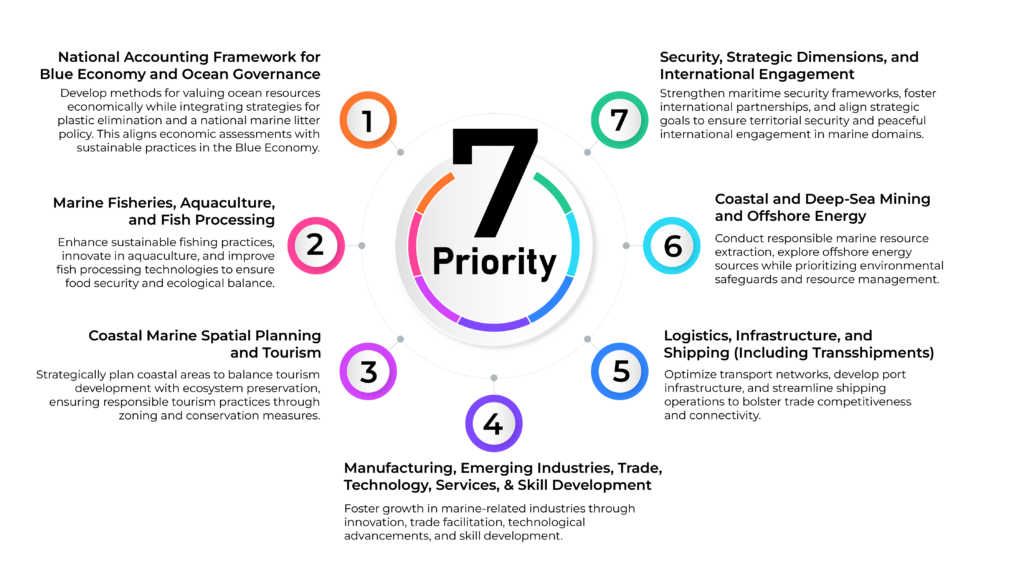
The seven priority areas identified under Blue Economy relevant for India
Advisory Committee
Speakers
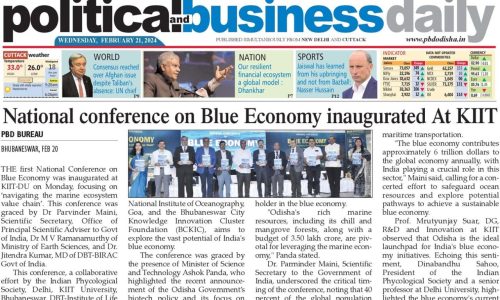
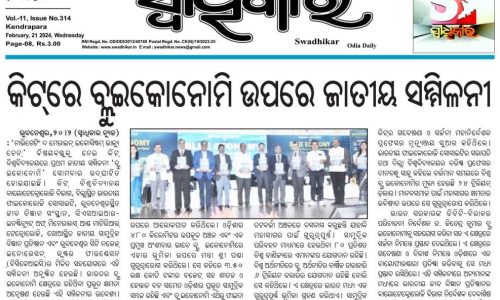
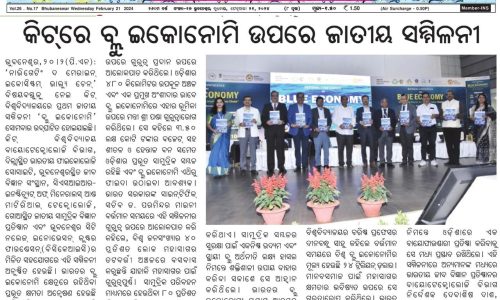
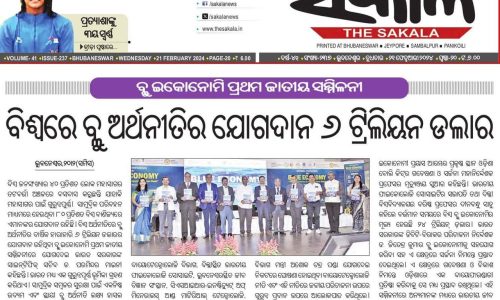
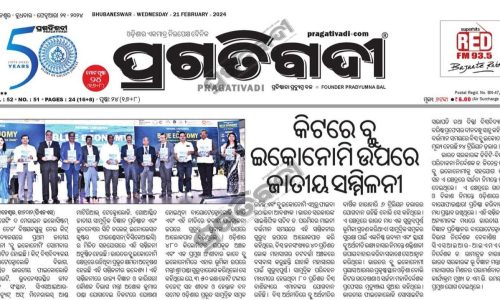
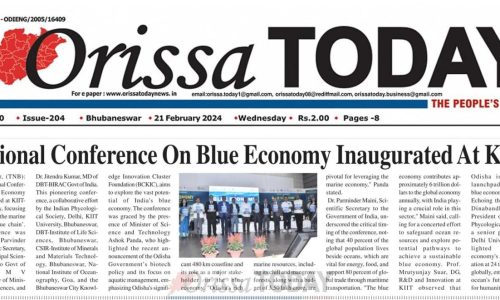
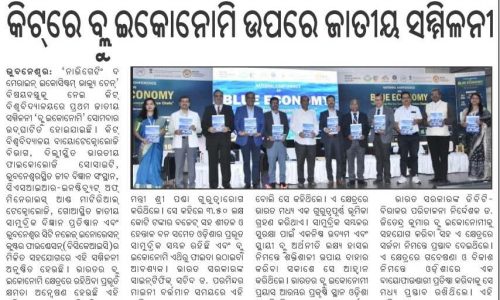
Past Program News Coverage 2024


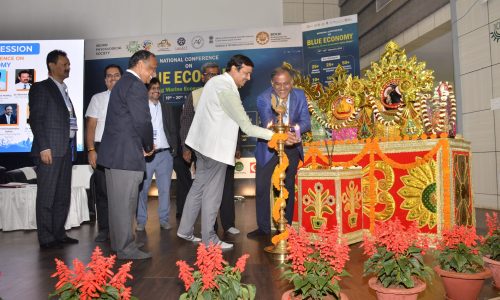
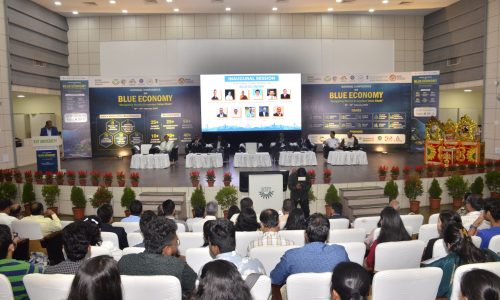
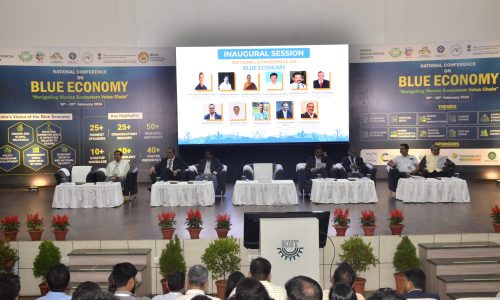
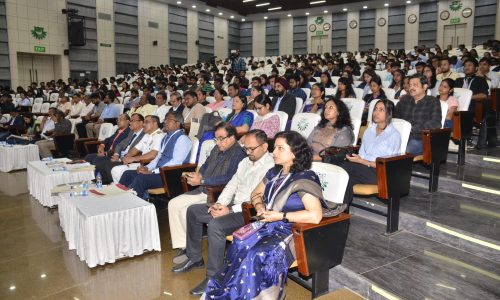
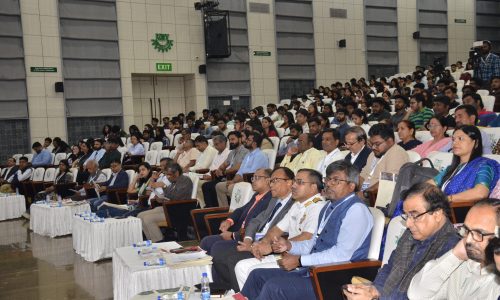
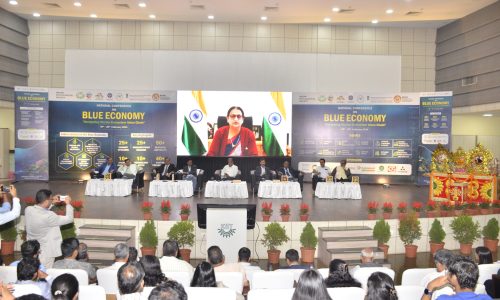
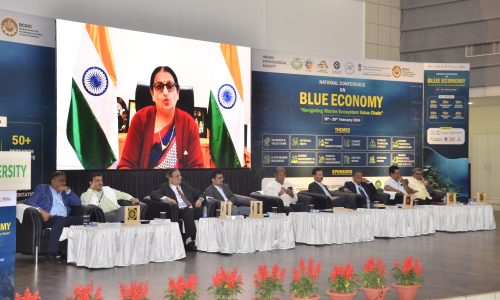
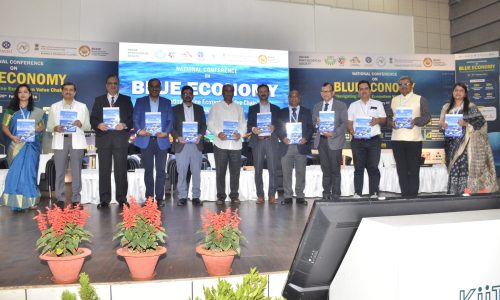
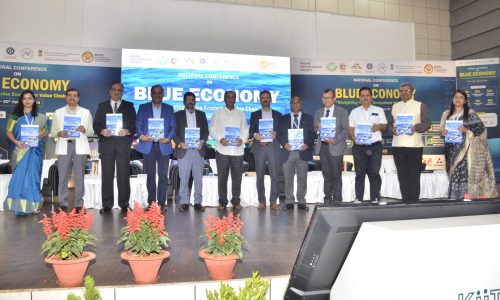
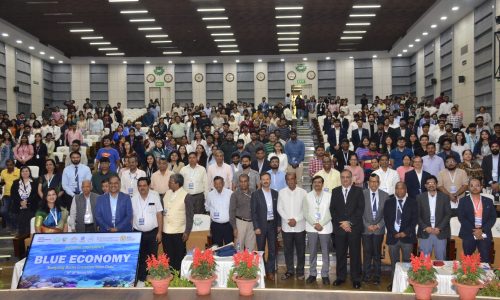
Past Program Glimpses